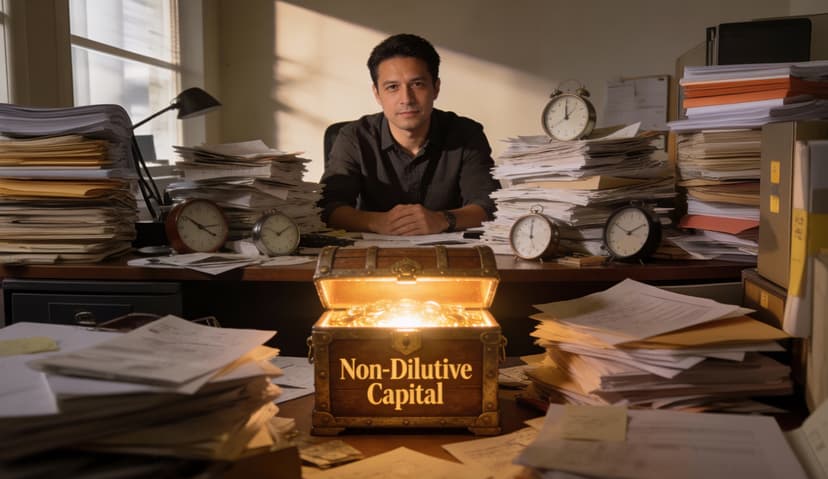
Writing an SBIR proposal requires convincing two fundamentally different reviewers simultaneously. On one side sits the technical expert -- the scientist demanding rigorous methodology and genuine innovation. On the other stands the commercial evaluator -- the pragmatist focused on market potential and revenue viability.
The Stakes
The Small Business Innovation Research program offers substantial non-dilutive funding:
- Phase I: $50,000 to $275,000 for feasibility studies
- Phase II: $750,000 to $1.8 million for R&D and prototyping
Despite competitive odds, approximately 32% of 2025 NASA SBIR awardees were first-time applicants, indicating opportunity for newcomers.
Winning the Technical Reviewer
Your proposal must demonstrate true innovation, not just incremental improvements. Success requires:
- Detailed work plans with measurable milestones
- Specific technical objectives with quantitative success criteria
- Team credentials showcasing relevant publications and prior R&D experience
- Clear experimental methodology
This section addresses the "Intellectual/Technical Merit" evaluation criterion. Understanding how each agency scores your application is critical to nailing this balance.
Winning the Commercial Reviewer
The commercial evaluation focuses on "Broader Impacts/Commercial Potential," demanding a strong commercialization plan:
- Quantified Total Addressable Market (TAM) analysis
- Specific target customer identification with evidence of pain points
- Detailed business strategy including pricing and sales channels
- IP strategy documentation
- Five-year post-Phase II financial projections with pro forma statements
Vague assertions about "large growing markets" fail this evaluation; data-driven specificity succeeds.
The Bridge Strategy
Elite proposals translate technical features into market benefits. Rather than stating features in isolation, connect each innovation directly to commercial implications:
Ineffective approach: "Our algorithm reduces processing time by 90%."
Effective approach: "Our algorithm reduces processing time by 90%, enabling genomic sequencing customers to save $50,000 per run and double daily throughput."
This approach satisfies both reviewer profiles simultaneously by speaking their respective languages within a unified narrative.
Current Funding Priorities
Understanding agency priorities strengthens positioning:
- Defense/Security: Agencies like the DoD prioritize national security applications
- Dual-Use Technologies: Solutions with both commercial and military applications receive emphasis
- Life Sciences Competition: Expected budget constraints increase competition intensity in NIH and NSF-funded areas
Future Outlook
The proposed SBIR/STTR Reauthorization Act of 2025 could expand annual funding to $12 billion, creating sustained non-dilutive funding opportunities for companies mastering this dual-narrative skill.
Not sure which agency gives you the best shot?
The difference between a funded proposal and a rejected one is usually framing, not technology. Our Strategy Review identifies the programs where your startup is most competitive.
Claim Your Free Strategy Review