Hundreds of Proposals Written
Federal, State & Foundation Grants

Founding NIH cohort · Limited to 5 founders

Write a strong NIH application for January. With expert help.

Our first cohort is for technical founders who can do the writing but can't budget for a grant writer. We keep the group small to give each project individual attention: three shared live sessions, a private call, and one written review of your first Specific Aims and Research Strategy draft.

Start in late September. First session planned for the week of September 29. Work toward the January 5, 2027 submission target.

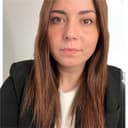
Dr. Ana Mesquita

Dr. Ana Mesquita, Cada's CEO
Planned cohort lead. 13 years in genetics, biochemistry, and cancer biology.

$999 founding price

Introductory offer for our first cohort. $3,000 after September 18, 11:59 PM ET.

Reserve my seat

One payment. No success fee. Full refund before the first session.


You shouldn't have to choose between expensive help and figuring it out alone.

You open the application guide to write your aims. An hour later, you're still working out which instructions apply. Meanwhile, there's an experiment to run, a product to build, and a team waiting on you. The application keeps slipping to the end of the day.

A template gives you somewhere to start. It doesn't tell you whether your aims fit Phase I, whether your milestones show real progress, or where a reviewer might lose the thread. Those are the questions this cohort helps you work through.

Five founders, so there's room for your project.

Five founders learn the process together, so the cost of teaching it is shared. You still get a private call about your project and written feedback on your Specific Aims and Research Strategy. You do the writing; your fee buys the guidance and review that are hard to get from a blank document.

Make the science easier to evaluate.

Stronger grant writing makes the research case clear: what you'll test, how you'll judge the result, and why it matters. Here's the kind of question you'll learn to answer in your draft.

A vague milestone

“We will evaluate the performance of our prototype.”

There's an activity here, but no way to judge success.

What the research plan needs to answer

What will you measure? Under which conditions? What result would count as success, and why would that result justify the next stage of development?

Answer those questions with evidence from your project, and the reviewer has something concrete to evaluate.

Illustrative example, not a participant's draft or client feedback.
Dr. Ana Mesquita, CEO of Cada

Your cohort guide

Work through it with Dr. Ana Mesquita.

Ana spent 13 years in genetics, biochemistry, and cancer biology. She is Cada's CEO and the planned lead for this cohort. The sessions connect NIH's requirements to the decisions in your application: how much work belongs in Phase I, what evidence supports your claims, and how to explain your approach.

Bring the question that's keeping you stuck. Use your private call for the project-specific issue that needs more time, then put the guidance to work in your draft.


Start in September. Prepare for January.

Three live sessions of about 90 minutes each, with writing between them. The weeks below are planned; exact dates and times will be confirmed. Start registrations early: NIH says they can take six weeks or more.

01

Week of September 29

Choose the right starting point

Work through eligibility, NIH fit, and the registration steps. Learn to read the funding opportunity and connect its priorities to your research before you commit weeks to the draft.

Your next step: Start your registrations, check your project's fit, and outline your Specific Aims.

02

Week of October 13

Turn the science into a research plan

Build your Specific Aims and Research Strategy around the question Phase I needs to answer. Work through significance, innovation, approach, measurable milestones, and what you'll do if an experiment falls short.

Your next step: Draft your aims and develop the methods, evidence, and milestones behind them.

03

Week of October 27

Plan the rest of the application

Work through the budget, justification, people and partner documents, and required attachments. Learn how to identify the human-subjects and animal-research requirements that apply to your project and plan your submission checks.

Your next step: Build your checklist of remaining documents, decisions, and submission tasks.

04

November review, then time to revise

Get another set of eyes on the science.

Send your first Specific Aims and Research Strategy draft by November 14. Written feedback is planned for November 21. Use the notes to revise in December, finish your attachments, and prepare your submission for January 5, 2027.

One draft review is included. You make the revisions and submit the application.

Expert support. A clear division of work.

This is for technical founders preparing a health or life-science research application who can make time to write, but can't budget for someone to write it for them.

What your seat includes

  • Three recorded, 90-minute sessions. Work through fit, the science draft, and the rest of the application in order.
  • One private call, up to 45 minutes. Discuss your project's aims, fit, or a specific obstacle between the first and third sessions.
  • Application templates to keep. Structure your aims, research plan, budget, and supporting documents without starting from a blank page.
  • One written science-draft review. Get feedback on your first Specific Aims and Research Strategy before you revise.

What you'll do

  • Bring the science and the evidence. Your project needs a research question and a credible plan to answer it.
  • Write between sessions. Budget about four hours a week through November to start, plus the time your project needs for revisions and submission.
  • Complete the application. Handle registrations, budget, partner materials, attachments, and final checks using the guidance and templates.
  • Revise and submit. Use the science-draft feedback to strengthen your application. Additional reviews and ongoing edits are outside this cohort.

Unsure whether your company or project fits? Email ana@getcada.com with a few lines about what you build before you pay. If the intake shows the cohort is unsuitable, we refund you in full.

Before you reserve a seat

You write the application, work through the templates between sessions, and revise after the written review. Plan for about four hours a week through November as a starting point, with more time as your project needs. Leave time in December for revisions, attachments, and submission checks. This is a working cohort, so the draft deadlines matter.
One first draft of your Specific Aims and Research Strategy, submitted by November 14. Written feedback is planned for November 21, so you have time to revise before January 5. The review focuses on the research case, clarity, feasibility, and gaps to address. Budget and attachment help comes through templates and session guidance; the written review does not cover the whole submission package. A second draft review and ongoing revision support are not included.
Yes, but start promptly. NIH says the required registrations can take six weeks or more. You complete and maintain them; the cohort explains the steps. See NIH’s registration guide for SAM.gov, Grants.gov, eRA Commons, and the SBA Company Registry.
Email ana@getcada.com with a few lines about your technology before you pay. We also screen for fit at intake. Company ownership, the scientific lead’s employment, research partners, and the specific funding opportunity all matter. If the cohort is not a suitable fit after intake, we refund you in full.
The cohort is built around an NIH SBIR Phase I application. STTR and other NIH small-business paths may fit some companies; raise that at intake so we can check the scope and the relevant opportunity. STTR requires a research-institution partner and has different ownership and project-lead rules. We do not assume every company has the same route.
The three live sessions are recorded for cohort participants. Exact session dates and times will be confirmed before the first session. Recordings are provided in place of make-up sessions. The private call is scheduled between the first and third sessions.
Dr. Ana Mesquita, Cada’s CEO, is the planned cohort lead. The service terms allow another Cada senior strategist to lead the sessions or private call. Every seat includes one written expert review of the science draft submitted by the deadline.
The cohort is one payment of $999. There is no success fee, required add-on, or obligation to buy another Cada service. The fee covers the cohort support described here; you prepare and submit your application.
Yes. Cancel any time before the first live session starts for a full refund. Email ana@getcada.com; refunds are issued to the original payment method within five business days. There are no refunds after the first session begins, except that we refund in full if the intake shows the cohort is not a suitable fit.
No. You are responsible for your eligibility, research, revisions, and final submission, and NIH makes the funding decision. The cohort provides a writing process, expert guidance, templates, and a written review of your science draft. It cannot promise an award, score, or submission outcome.

Join our first five-founder NIH cohort.

For $999, get a plan to follow, expert guidance when you're stuck, and written feedback on your science draft. Bring your research. We'll help you make the case for it.

Reserve my seat

Limited to 5 founders. Founding price ends September 18, 11:59 PM ET. Full refund before the first session. No success fee.

Questions first? Email ana@getcada.com.

Founding NIH Cohort: Five Founders, January Applications | Cada